Upgrade Your Home: A Complete Handyman's Guide to Remarkable Kitchen and Bathroom Renovations
Renovating a home, particularly bathrooms and kitchens, requires careful planning and thoughtful choices. Homeowners often deal with decisions about layouts, materials, and whether to hire professionals or handle projects independently. Each aspect plays a key role in creating visually appealing and functional areas. Recognizing these considerations can lead to impressive transformations. The sections below will examine key tips and approaches that can significantly enhance these spaces within the home.
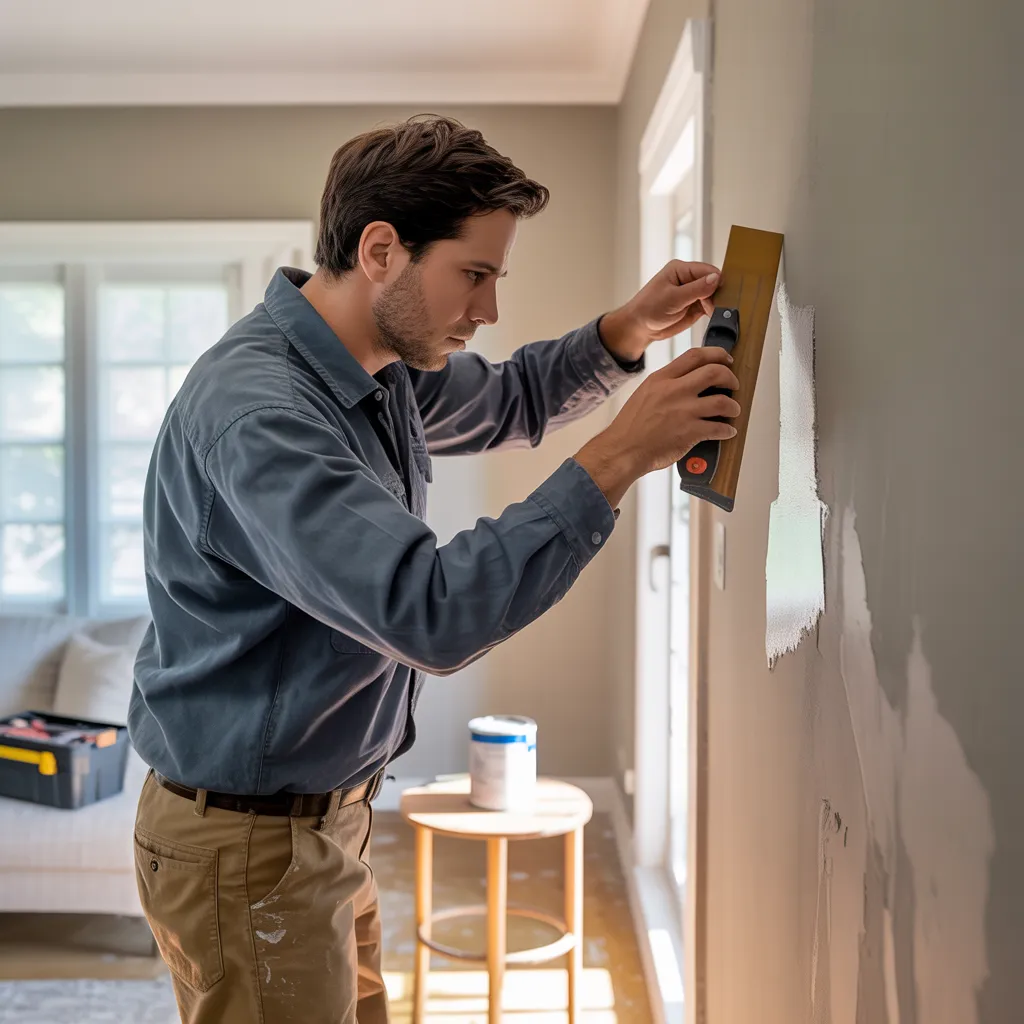
Essential Materials for Your Kitchen and Bathroom Makeover
An assortment of critical materials can significantly boost the success of a kitchen and bathroom remodel. High-quality cabinetry serves an important function, providing both practicality and visual appeal. Surface tops constructed with sturdy materials such as quartz or granite offer a useful yet elegant area, standing up to daily wear and tear.
Moreover, flooring selections like luxury vinyl or ceramic tiles can transform the space while making upkeep simple. Wall covering materials, from subway tiles to glass, bring personality while safeguarding walls from water damage. Hardware including faucets and light fixtures, ought to be picked with consideration for both aesthetics and long-term performance.
Regarding paint selection, premium, moisture-resistant choices are essential for both kitchens and bathrooms. Furthermore, including environmentally friendly materials can boost sustainability. By thoughtfully selecting these components, homeowners can develop a unified and appealing atmosphere that satisfies both practical and visual requirements.
How to Pick the Perfect Layout for Your Kitchen and Bathroom?
How can homeowners determine the ideal layout for their kitchen and bathroom? It all starts with assessing the available space and identifying individual requirements. When it comes to kitchens, the "work triangle" approach—joining the sink, stove, and refrigerator—guarantees a streamlined workflow. Homeowners should consider traffic flow and the placement of islands or bar seating to enhance usability.
Within bathrooms, practicality is paramount. Homeowners should evaluate the need for distinct areas, like sinks and shower areas, to support the needs of multiple users. Optimal fixture placement can help maximize the available space, especially in more compact spaces.
Within both areas, natural light and ventilation should be prioritized, which can impact the positioning and style of windows. Additionally, current design trends and personal style should be factored in to achieve a harmonious appearance. By carefully analyzing these elements, property owners are able to choose arrangements that satisfy both their functional requirements but also enhance aesthetic appeal.
Should You DIY or Hire a Professional
Deciding whether to approach home renovations as a DIY project or by enlisting professional help can greatly impact the outcome of a project. Homeowners must weigh their skills, time, and budget when making this decision. Handling renovations independently can prove budget-friendly, letting individuals cut down on labor fees and experience personal fulfillment. However, they require a significant investment of time and may lead to mistakes that can be costly to fix.
By comparison, engaging professionals delivers a elevated standard of competence, effectiveness, and utilization of specialized instruments. Trained specialists can tackle complicated tasks, follow established building requirements, and provide warranties for their work. Ultimately, the choice copyrights on the homeowner's confidence in their abilities and the complexity of the renovation. In cases of simple, manageable projects, DIY might suffice, while ambitious renovation endeavors tend to produce superior results with skilled professional input.
Make the Most of Your Space: Smart Layout Strategies
In the quest to maximize space, thoughtful layout decisions can significantly improve a home's functionality. By prioritizing efficient storage solutions, maintaining seamless flow and functionality, and integrating versatile multi-purpose furniture, homeowners can create a more efficient environment. These smart layout tips not only enhance aesthetics but also improve daily life.
Improve Storage Solutions
Making the most of storage space plays a vital role in creating a functional and organized home. Within kitchen spaces, utilizing vertical space through wall-mounted shelves or cabinets helps liberate precious countertop space. Incorporating pull-out drawers or lazy Susans in cabinets improves ease of access and overall efficiency. In bathrooms, shelves positioned over the toilet deliver more storage without taking up floor space. Opting for multifunctional furniture, like ottomans featuring concealed storage spaces, may further promote a cleaner and more organized space. Moreover, using clear bins and labels in closets helps maintain order and visibility. By strategically implementing these storage solutions, residents can convert disorganized areas into neat, functional spaces that improve everyday life. Thoughtful organization not only improves functionality but also elevates the overall aesthetic of the home.
Flow and Functionality
Creating an effective combination of flow and practicality within a space is vital for elevating everyday living. In kitchen layout design, the work triangle—made up of the refrigerator, stove, and sink—should promote efficient movement, eliminating unnecessary steps during meal preparation. Similarly, in bathrooms, thoughtful placement of fixtures can improve morning routines. Open floor plans can foster a sense of spaciousness, while defined zones can maximize efficiency. For illustration, including islands in kitchens not only offers additional counter space but also encourages social interaction. In bathrooms, consider the accessibility of storage and fixtures, verifying they correspond to user needs. In the end, centering on flow and functionality shapes spaces into practical environments, improving both comfort and efficiency in daily tasks.
Multifunctional Furniture Concepts
Though many people underestimate the value of multipurpose furniture, it acts as a revolutionary tool in optimizing living spaces. This innovative approach empowers homeowners to maximize limited areas, especially in kitchens and bathrooms where space is commonly scarce. For instance, a dining table that serves as a home office can simplify daily tasks, while ottomans with hidden storage can maintain a tidy environment. Murphy beds convert spare rooms into practical areas during the day, and wall-mounted shelves can function as both aesthetic accents and storage solutions. By integrating these versatile pieces, individuals can design spaces that are not only beautiful to look at but also incredibly practical. Incorporating multi-use furniture is a wise approach for enhancing both comfort and utility in any residential transformation.
Simple Design Tips to Revitalize Your Kitchen and Bathroom
Revitalizing a kitchen and bathroom can be attained through simple design tricks that make a remarkable impact. Refinishing cabinets, swapping out hardware, and introducing decorative backsplashes are proven strategies to elevate these essential spaces. These updates not only enhance visual appeal but also improve efficiency and overall enjoyment.
Paint Cabinetry for Impact
Transforming kitchen and bathroom areas can be as simple as updating the cabinetry with a new layer of paint. This effective approach can greatly transform the feel of these areas without extensive renovations. Selecting the perfect color is vital; light colors can generate a spacious feeling, while vibrant colors add personality and drama. Getting the surface ready is critical—cleaning, sanding, and priming the cabinet surfaces ensures maximum adhesion and a flawless finish. Applying premium paint made specifically for cabinets increases durability and promotes easy cleaning. Methods like distressing or glazing can bring uniqueness, improving the complete look. By focusing on cabinetry, homeowners can create a remarkable visual transformation, making their kitchen and bathroom areas feel revitalized and appealing.
Upgrade Hardware Gracefully
A few simple updates to hardware can transform the look of bathrooms and kitchens without a full renovation. Exchanging worn drawer pulls and cabinet knobs for stylish new choices can produce a revitalized appearance. Choosing finishes like brushed nickel or matte black brings a modern feel, while antique brass can suggest timeless elegance. Moreover, updating faucet handles can revitalize sinks, making them more functional and stylish. For a cohesive look, it's essential to match the hardware across all elements, including cabinets and appliances. Incorporating unique designs, such as handcrafted elements or geometric patterns, can also add personality. Overall, such hardware improvements offer a practical means to improve both the aesthetics and usability of any room.
Incorporate Stylish Backsplashes
Even though a total kitchen or bathroom overhaul can seem daunting, adding elegant backsplashes provides a simple method to enhance the area. Backsplashes serve both functional and aesthetic purposes, protecting walls from moisture while adding visual interest. Homeowners can choose from various materials, like ceramic tiles, glass, and natural stone, allowing for creative expression. Colors, patterns, and textures may be mixed to customize the appearance, ensuring a harmonious match with existing interior design. For a fast refresh, peel-and-stick alternatives are accessible, providing an affordable and temporary solution. Furthermore, incorporating a striking design can establish a centerpiece, capturing attention and elevating the overall atmosphere. Through careful consideration, backsplashes can convert everyday spaces into elegant sanctuaries.

Essential Tips for Keeping Your New Space Looking Great
To ensure that a recently renovated space continues to look appealing, consistent care is important. In kitchen spaces, consistent cleaning of countertops and kitchen equipment stops the accumulation of dirt and stains. Using non-abrasive cleaners preserves surfaces while preventing deterioration. In bathrooms, regular inspection of grout and caulking can prevent mold growth and water damage; replacing caulk when required is a wise practice.
Additionally, checking for leaks under sinks and around fixtures assures that any complications are dealt with without delay. Using strainers to keep drains free of debris helps prevent blockages and preserve proper function.
For each of these spaces, routine deep cleaning of cabinets and shelves not only enhances appearance but also prolongs their lifespan. Moreover, adopting practical guide a seasonal schedule for upkeep tasks can preserve the spaces in excellent condition. By following these tips, homeowners can guarantee their refreshed kitchens and bathrooms look as impressive as the moment they were done.
Frequently Asked Questions
What Are the Newest Trends in Kitchen and Bathroom Design?
Emerging patterns in home interior design prioritize sustainable solutions, natural materials, open spaces, and smart technology. Bold colors, minimalist fixtures, and multifunctional layouts simultaneously elevate visual appeal while enhancing functionality for today's homes.
How Can I Stay on Budget During My Renovation?
To stay on budget during renovations, homeowners should concentrate on necessary upgrades, develop a comprehensive plan, define a practical budget, record costs consistently, and consider DIY options for smaller tasks to lower total costs successfully.
What Permits Are Required for Remodeling My Kitchen or Bathroom?
For remodeling a kitchen or bathroom, homeowners generally require plumbing permits, building permits, and electrical permits. Rules and requirements vary from one location to another, so checking local regulations and consulting with officials is absolutely necessary before initiating any renovation project.
How Much Time Does a Standard Kitchen or Bathroom Makeover Require?
A typical kitchen or bathroom renovation typically takes between four and eight weeks, depending on the extent of the project, materials used, and the availability of contractors. Proper planning and scheduling can help guarantee a more seamless renovation experience.
How Should I Handle My Old Fixtures and Materials?
Old fixtures and materials can be repurposed, donated, or recycled. A variety of local charities take in usable items, while recycling centers manage materials including metals and plastics. Choosing eco-friendly options promotes sustainability and reduces landfill contributions.